

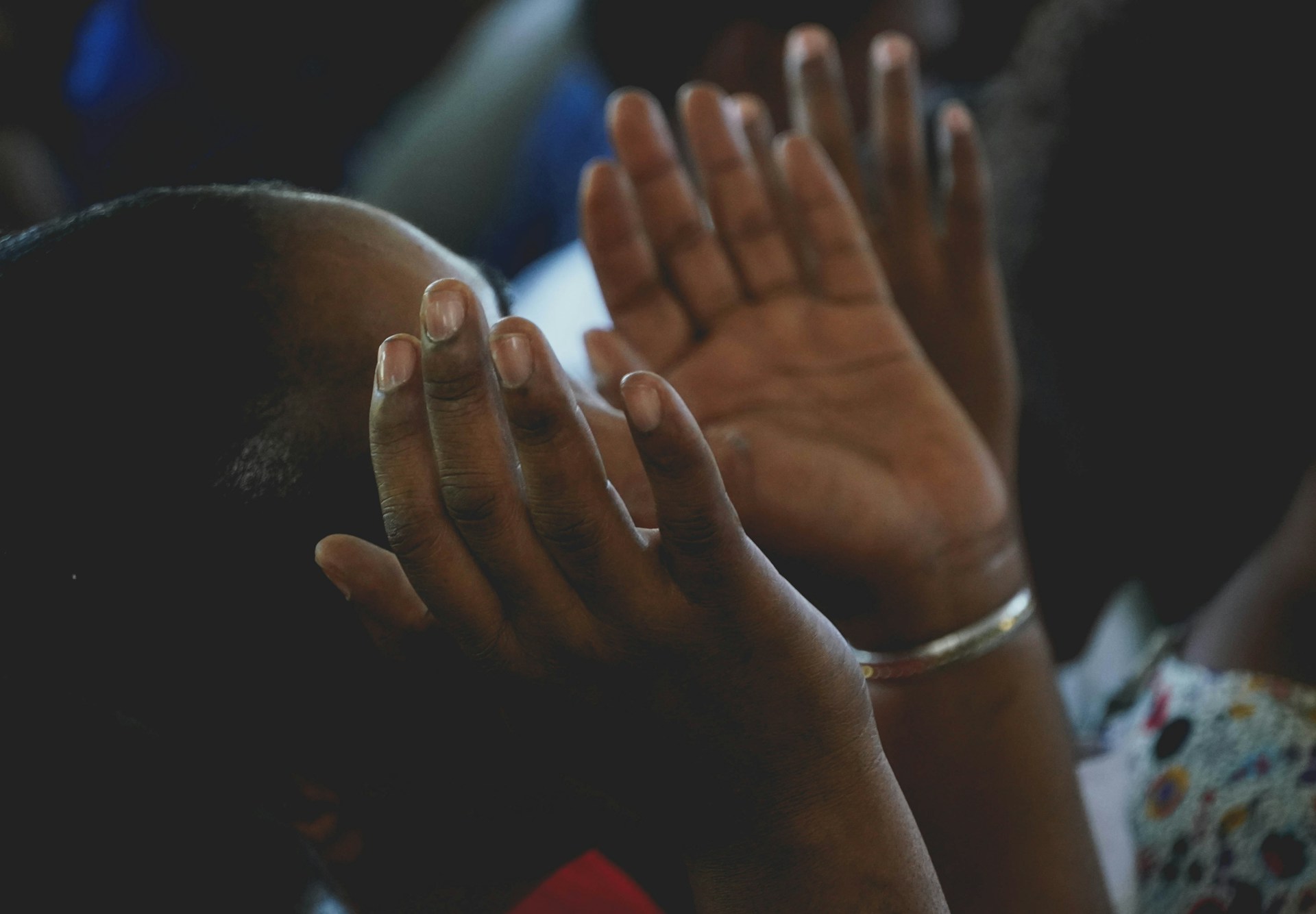
PERSEVERANCE IN PRAYER
PERSEVERANCE IN PRAYER (Concluding Catechesis on Prayer)
In our last reflection, we responded to the question: “Is it necessary to pray?” We discovered that prayer is essential for a living relationship with God. Yet, even when we recognize its necessity, another challenge emerges: How can we remain faithful in prayer, especially when our petitions seem unanswered? The Christian answer is found in one word — PERSEVERANCE.
What is Perseverance?
Perseverance refers to the grace-filled strength to remain steadfast in faith, hope, and love of God even in the face of trials, temptations, sufferings, or discouragements. It is not just being stubborn or determined about situations, but a spiritual virtue that is sustained by God’s own grace.
There are key aspects of Perseverance:
- Faithfulness to the end– Jesus teaches: “Whoever perseveres to the end will be saved” (Mt. 24:13). Thus, perseverance means clinging to God in faith, no matter the difficulties or challenges of life.
- Strength in trials– St. Paul in his letter to the Romans (Rom. 5:3-4) explains that trials shape the Christian: “We rejoice in our sufferings, knowing that suffering produces endurance, endurance produces character, and character produces hop.” This means that perseverance is the fruit of trusting in God in the face of difficulties.
- Grace of final perseverance– In Christian theology, this is a special gift/grace to remain in God’s friendship till the end. This is not earned by human effort alone but must be humbly prayed for.
- Life of fidelity/spiritual discipline– Perseverance shows itself in the practice of a daily prayer life, reception of the sacraments, acts of charity, and deep trust in God especially when our faith journey is challenged, in our moments of weakness.
- Witness of the Saints– The martyrs and holy men and women of the Church embody perseverance. They remain a model of hope and endurance for us, because they remained faithful to Christ even in the face of persecution and suffering.
The Command to Persevere
In the Sacred Scripture, perseverance is presented both as a command from Jesus and also as a gift of God’s grace. Jesus teaches that salvation requires faithfulness to the end: “The one who perseveres to the end will be saved” (Mt. 24:13). This explains that perseverance is not optional but very essential element to the Christian journey. Likewise, the apostles in their writings further shows that this endurance is only possible through the sustaining grace of God (Phil 1:6; Jn. 15:5). They also developed this teaching to explain that trials play a role in deepening perseverance. St. James assures all who believe in God that those who remain steadfast in the face of trial will receive “the crown of life” (James 1:12). The book of Revelation praises the early Christians who endured hardship without losing faith (Rev. 2:3), holding them up as examples of true discipleship. Thus, perseverance is a cooperation between the divine help of God and also the human response- a synergy of grace and fidelity. It is a gift to be prayed for and virtue to be lived toward achieving the ultimate reward of eternal life with God.
Why Perseverance Matters
1. It transforms us – In prayer, God shapes our hearts. What may begin as a request for something external often becomes an inner conversion. As St. Paul teaches: “Rejoice in hope, be patient in tribulation, be constant in prayer” (Romans 12:12).
2. It strengthens faith – Delayed answers are not refusals; they test and deepen trust. The Catechism reminds us: “Filial trust is tested—when we feel that our prayer is not always heard. The Gospel invites us to ask ourselves about the conformity of our prayer to the desire of the Spirit” (CCC 2735).
3. It keeps us close to God – Just as love in human relationships grows through steady communication, so does our friendship with God. “Pray without ceasing” (1 Thessalonians 5:17) is not an exaggeration but a way of life.
Models of Persevering Prayer
Jesus teaches and assures us: “Ask and you will receive, seek and you will find; knock and the door will be opened to you” (Mathew 7:7). Jesus Himself modelled this when He prayed persistently, most vividly in Gethsemane (Matthew 26:36–46), entrusting His anguish to the Father.
The early Church remained faithful to prayer after the Ascension: “All these with one accord devoted themselves to prayer” (Acts 1:14).
The saints give us living witness—St. Monica’s tireless prayers for her son Augustine bore fruit in his conversion, a testimony to God’s timing.
How We Can Persevere
The Catechism teaches: “Perseverance in love is necessary for prayer. It is not enough to begin to pray… one must also persevere in prayer with humble confidence” (CCC 2742). Some practical ways include:
- Remember that prayer is a relationship, not a feeling. It is being with God
- Setting a daily rhythm/time – even brief but consistent moments of prayer anchor us in God.
- Praying with Scripture – the Psalms, especially, give voice to perseverance in joy and in trial.
- Living a sacramental life- The sacraments (Eucharist & Reconciliation) nourish perseverance.
- Joining prayer with action – fidelity in prayer strengthens our witness in works of charity.
- Pray with the Church- Join the community in Mass, Liturgy of the Hours, or spiritual devotions. All these sustain prayer when personal effort feels weak
- Ask for the grace of perseverance- Prayer is a gift of the Holy Spirit (Rom. 8:26). Humbly ask God to keep you faithful and constant in prayer
- Trusting in silence – God’s silence is never absence, but an invitation to deeper faith.
Conclusion
Prayer is indeed necessary, but it is perseverance that makes it fruitful. To stop praying is to stop hoping. Perseverance in prayer is not about eloquent words or perfect concentration, but about remaining faithful and trusting that God hears us even when our words seem weak or hearts feel dry. It is rooted in the conviction that prayer is not wasted time- it is a participation in Christ’s own intercession before the Father (cf. Heb. 7:25).
Persevering in prayer, is sometimes like stubbornly knocking on heaven’s door, just like the widow in the Gospel of Luke 18:1-8. The difference is that unlike the unjust judge, God is never annoyed by our persistence, instead He delights in it. So, if you ever feel like you are praying for a particular intention for the hundredth time, smile and remember that in God’s eyes, that persistence is already a victory of grace.
Let us, then, continue not only to pray, but to pray with perseverance—confident that in God’s time, all things work for good (Romans 8:28).